Eadweard Muybridge
1830 – 1904
The photographer who first stopped time and set pictures in motion
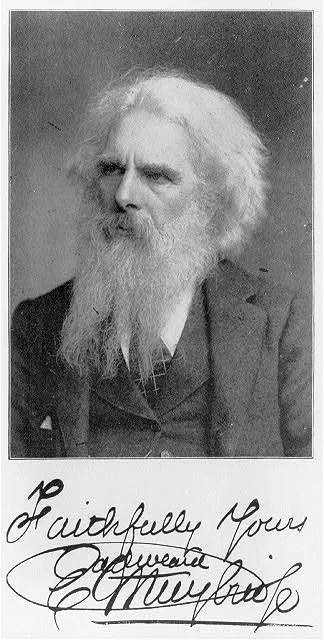
Eadweard Muybridge (1830–1904)
Eadweard Muybridge was born Edward James Muggeridge on 9 April 1830 in Kingston upon Thames, England. As a young man he moved to the United States, worked as a bookseller in San Francisco, and took up photography in the 1860s, making his name with large views of Yosemite Valley and the American West. He changed the spelling of his name several times before settling on Eadweard Muybridge.
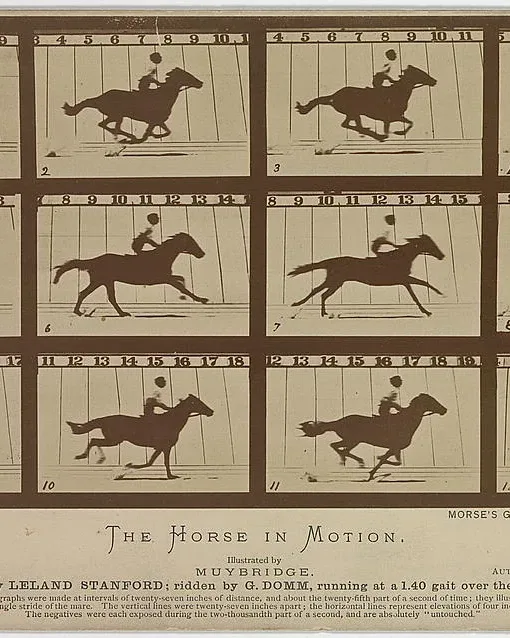
In June 1878, at Leland Stanford's stock farm in Palo Alto, California, he set a row of twelve cameras beside the track and had a galloping horse trigger them one after another. The sequence, published as The Horse in Motion, showed that at one point in its stride a galloping horse has all four hooves off the ground, tucked beneath its body rather than stretched out as painters had long shown it.
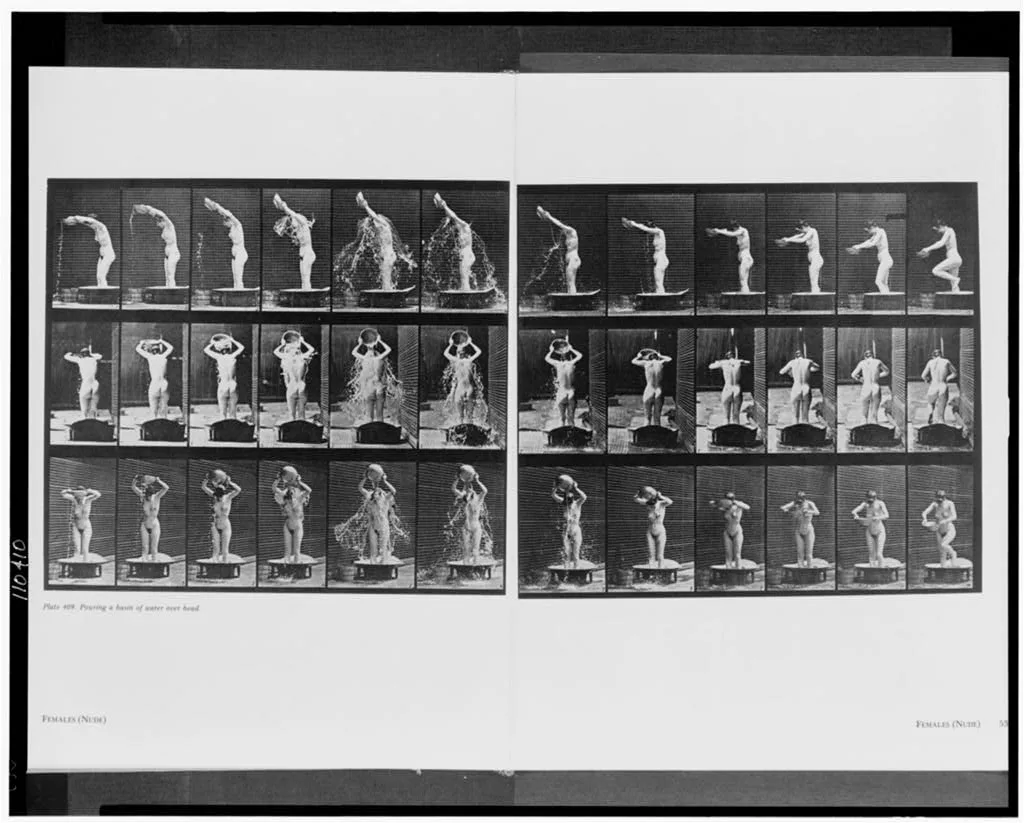
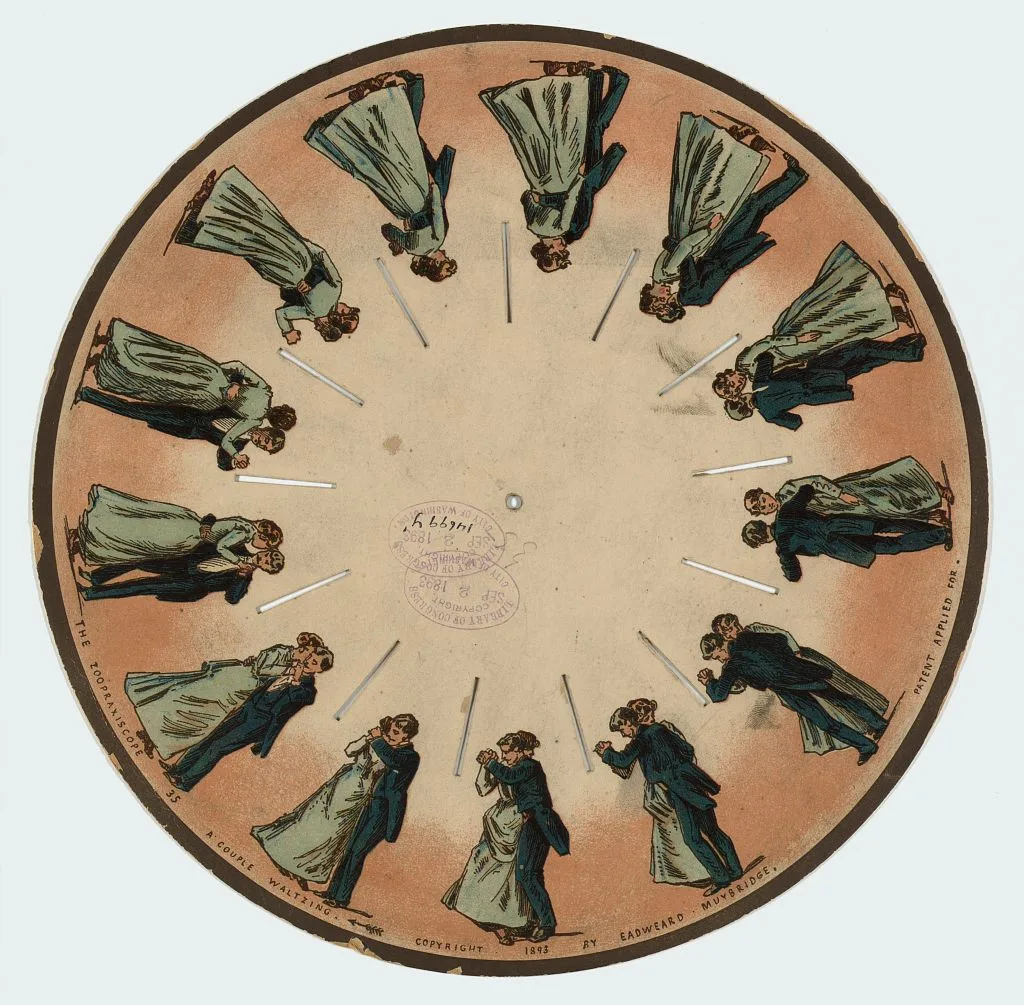
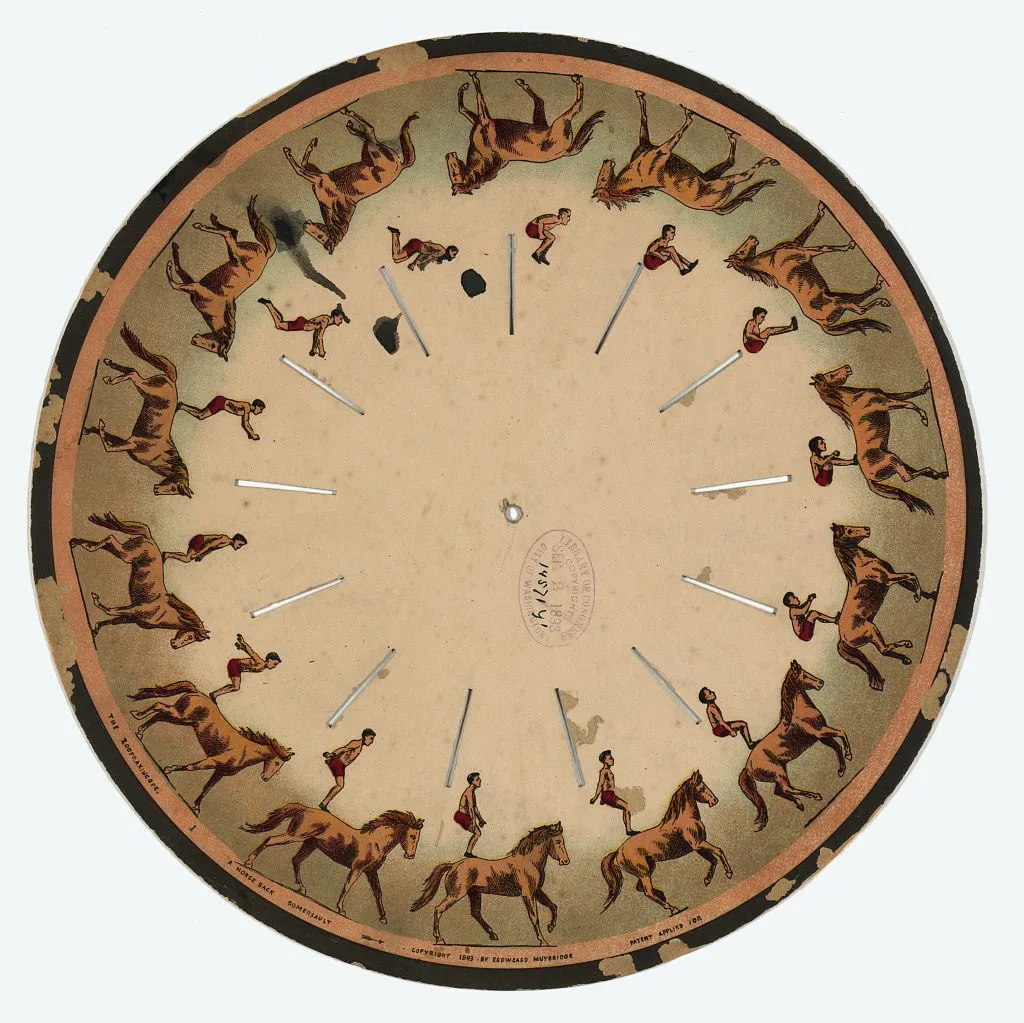
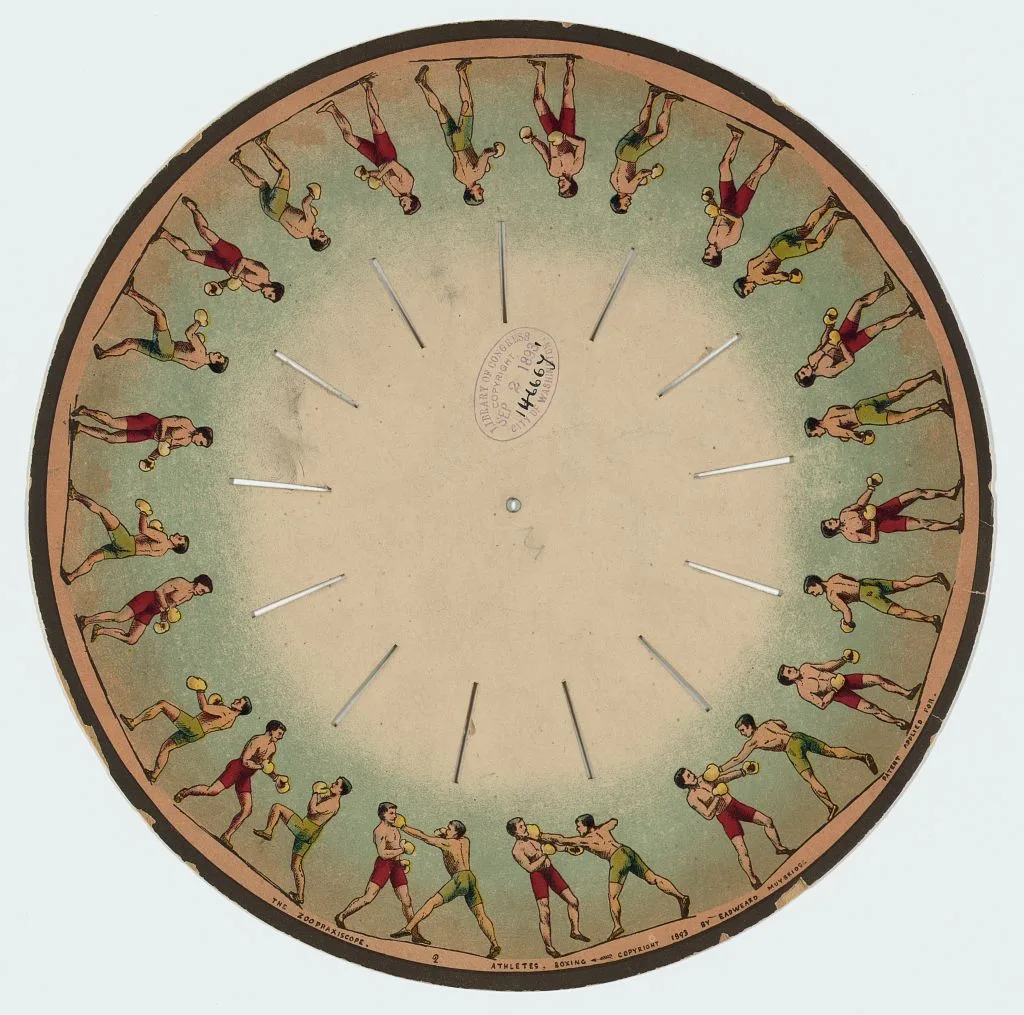
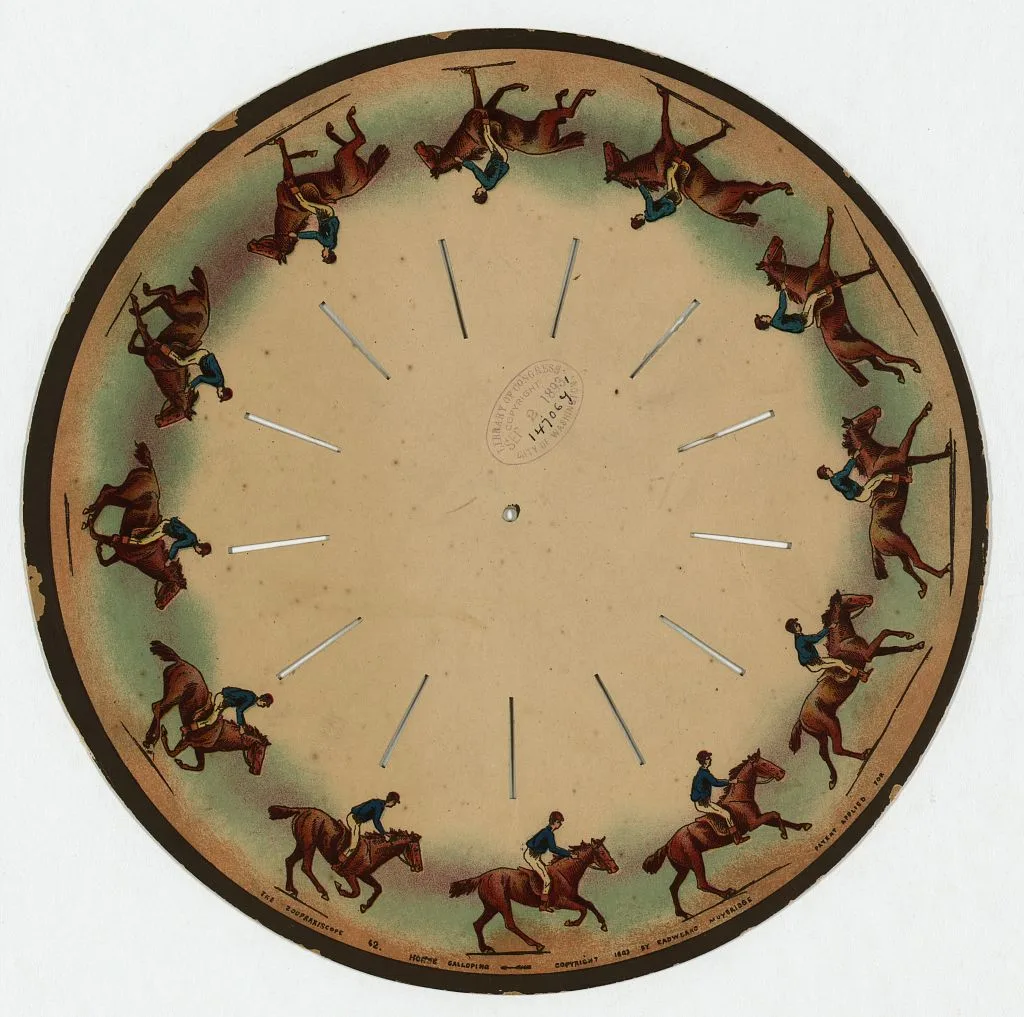
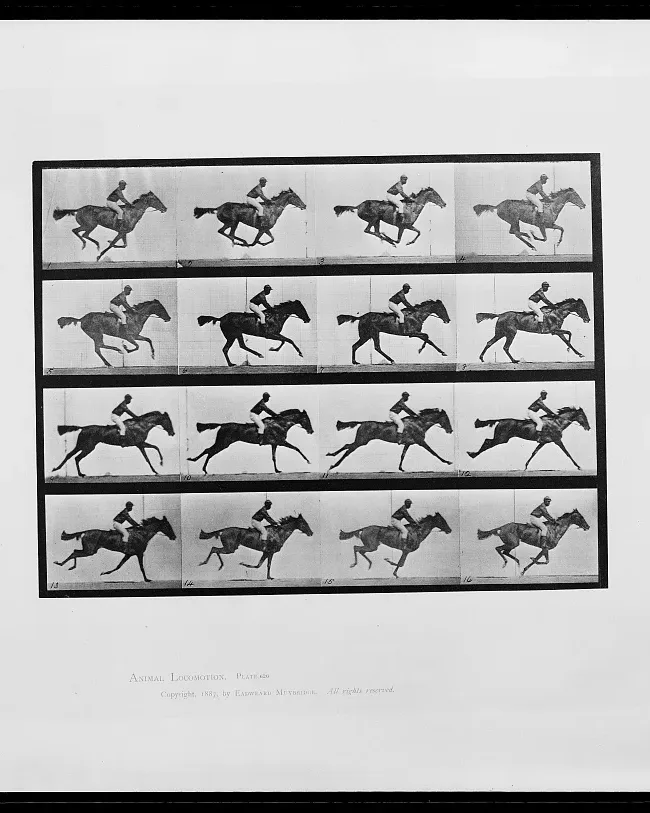
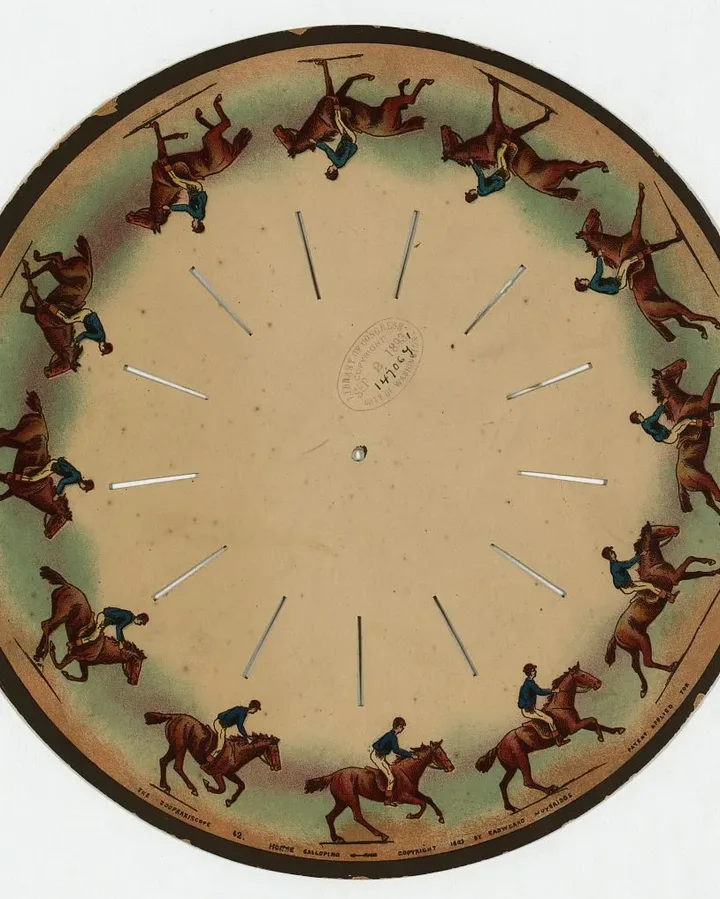
To make his sequences move again, he devised the zoopraxiscope, a projector that threw images from spinning glass discs onto a screen, and used it in public lectures from 1880; it is counted among the forerunners of cinema. At the University of Pennsylvania he photographed people and animals in motion for Animal Locomotion (1887), a work of 781 plates that artists and scientists still consult. He returned to Kingston upon Thames, where he died on 8 May 1904.
- The Horse in Motion (1878)
- The zoopraxiscope discs
- Animal Locomotion (1887)
- All of Muybridge's famous photographs
Timeline
Born Edward James Muggeridge on April 9 in Kingston upon Thames, England
Emigrates to the United States around this time, working as a bookseller in New York and San Francisco
Suffers serious head injuries in a stagecoach crash in Texas and returns to England to recuperate
Makes his first photographic expedition to the Yosemite Valley, working under the name "Helios"
Returns to photograph Yosemite with mammoth-plate cameras; begins motion experiments for Leland Stanford
"We have become so accustomed to see [the galloping horse] in art that it has imperceptibly dominated our understanding, and we think the representation to be unimpeachable, until we throw off all our preconceived impressions on one side, and seek the truth by independent observation from Nature herself."
— Eadweard Muybridge